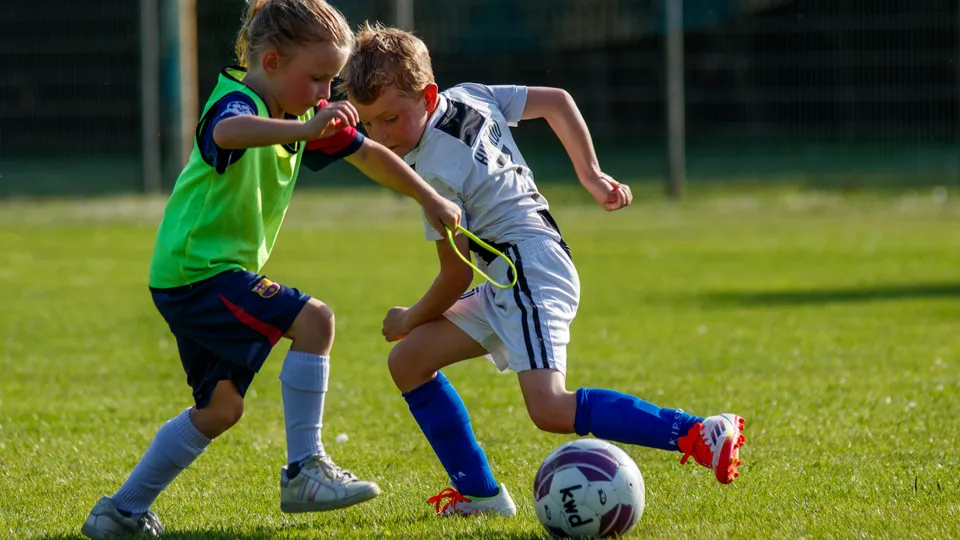
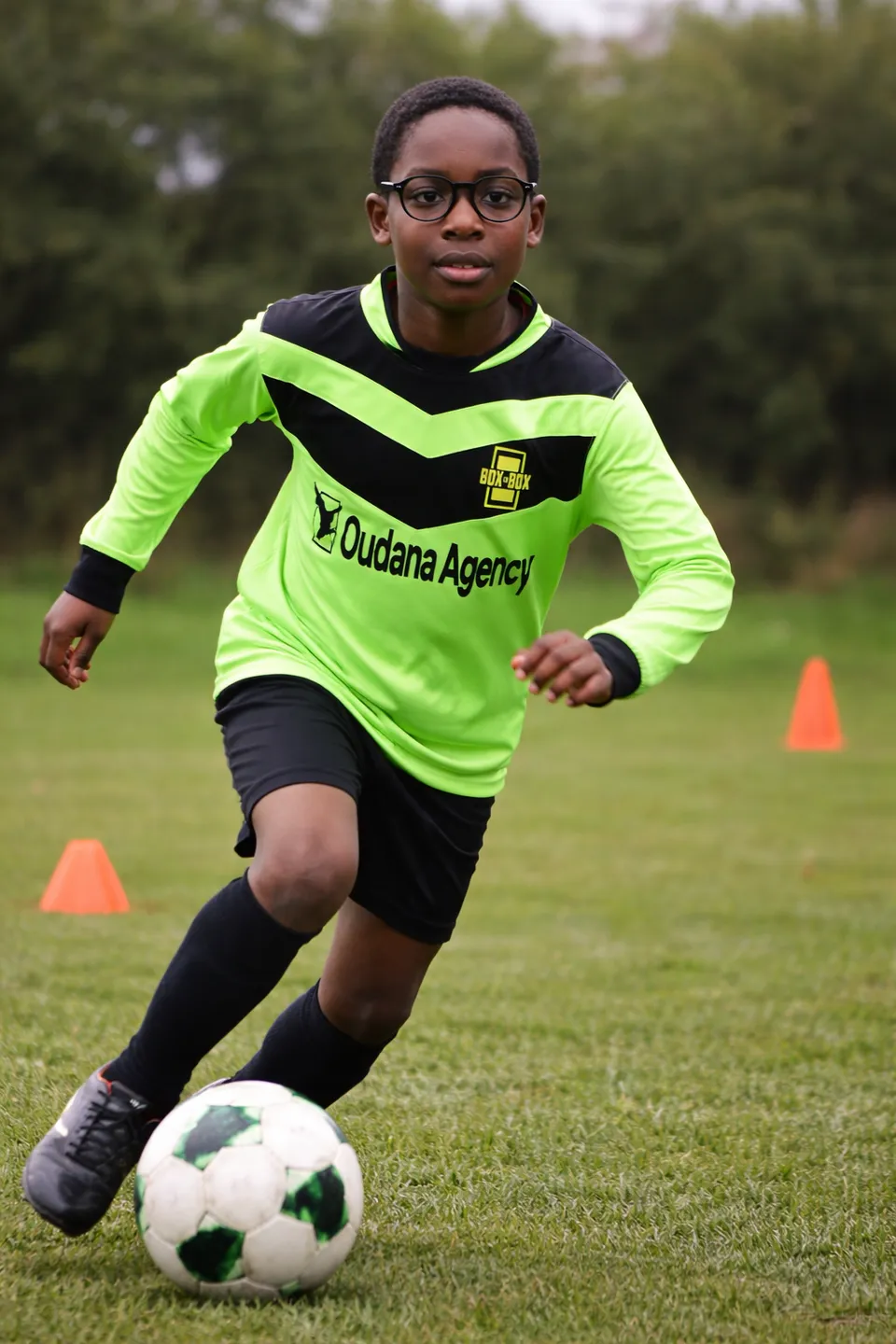
Football coaching helps a player learn how to use the ball, understand the game, move confidently and make decisions with other players around them. A good youth session connects those areas instead of treating coaching as a list of isolated drills.
For parents, knowing what is involved makes it easier to judge whether a football environment is suitable for their child. The best signs are clear organisation, age-appropriate practices, plenty of useful time on the ball, positive communication and a safe setting in which a player can try, make mistakes and improve.
The short answer
Youth football coaching usually brings together technical development, game understanding, physical movement, confidence and teamwork. The balance changes with the player’s age, experience and needs. A younger child may need playful activities that build coordination and enjoyment, while an older player may be ready for more demanding decisions, position-specific detail and reflection.
Coaching also happens before and after the activity itself. A coach plans the session, explains the purpose, observes each player, changes the challenge when needed and gives feedback the player can use.
Planning a purposeful football session
A session should have a clear aim. That could be receiving the ball, moving into space, defending one-to-one or recognising when to pass and when to travel with the ball. The activities, questions and games should all help players explore that theme.
Good planning does not mean every minute must be rigid. Coaches need to respond to the group in front of them. If an activity is too easy, too difficult or not producing the intended decisions, the area, numbers, rules or level of pressure can be adjusted.
Technical development with the ball
Technical coaching develops how a player controls and moves the ball. It can include first touch, receiving, passing, dribbling, turning, finishing and protecting possession. Repetition matters, but the repetition should have a reason.
Players also need opportunities to use a technique while looking up, moving and reacting to pressure. A passing practice becomes more valuable when the player must notice a teammate, an opponent or an available space. This connects the action to the game.
Decision-making and game understanding
Football is a game of changing pictures. A player continually reads the position of the ball, teammates, opponents and space. Coaching can help players notice those cues and choose an action rather than simply follow a fixed pattern.
Small-sided games are useful because players receive frequent involvement and face realistic decisions. A coach may pause briefly, ask a question or allow the game to continue and discuss the moment afterwards. The aim is to help the player understand why an option worked and recognise similar situations independently.
Movement and physical development
Youth coaching includes movement with and without the ball. Balance, coordination, changes of direction and control of speed all support football actions. These elements should be appropriate for the age of the group and integrated naturally into active practices.
The session should also allow sensible recovery and access to water. More work is not automatically better work. The intensity, space and duration need to suit the players so technique and decisions do not disappear through avoidable fatigue.
Confidence, communication and teamwork
A player is more likely to attempt a new skill when mistakes are treated as part of learning. Coaches shape that environment through their language, body language and response to both success and failure.
Football coaching also develops communication and cooperation. Players learn to listen, share information, support teammates and solve problems together. Praise should be specific enough to help: telling a player what they noticed or did well gives them something they can repeat.
Observation and useful feedback
Coaches spend much of a session observing. They look at the outcome of an action and the information the player used before it. Feedback can then focus on one useful detail instead of overwhelming the player with several corrections at once.
Questions can encourage reflection: What did you see? Where was the space? What might you try next time? Direct instruction is still useful when a player needs a clear safety point or technical cue, but players also benefit from finding solutions.
Safeguarding and player welfare
Coaching includes creating a safe, respectful environment. Parents should know who is responsible for the session, where it takes place and how concerns are handled. Equipment and playing areas should be checked, expectations should be clear and communication should remain appropriate.
Box to Box Academy publishes its safeguarding and welfare information and player code of conduct so families can review the standards around academy sessions.
How coaching changes by age
For early learners, enjoyment, coordination, simple ball contact and confidence in a group are central. Our Ages 4–7 football coaching uses active, age-appropriate activities as a positive introduction to the game.
As players grow, sessions can connect technique with awareness and decisions. The Ages 8–11 programme develops receiving, passing, movement and confidence in possession. The Ages 12–14 programme adds greater detail, pressure and game understanding while keeping development individual.
Players who would benefit from work focused closely on their own priorities can also explore one-to-one football coaching in Wolverhampton.
What parents can look for
- A clear purpose that links the activities together
- Players spending useful time active and involved with the ball
- Challenges adapted to the age and ability of the group
- Positive, specific feedback and calm communication
- Opportunities to make decisions in realistic games
- Visible safeguarding, welfare and conduct standards
Parents do not need every session to look perfect. Development is rarely a straight line. The more useful question is whether the environment consistently gives the child an appropriate challenge, clear support and reasons to enjoy returning.
Choosing the next step
Before committing to a programme, compare the age group, schedule, coaching environment and how the session responds to your child. A first visit can show far more than a list of claims. You can book a free football trial at Box to Box Academy or view the current football session plans in Wolverhampton.